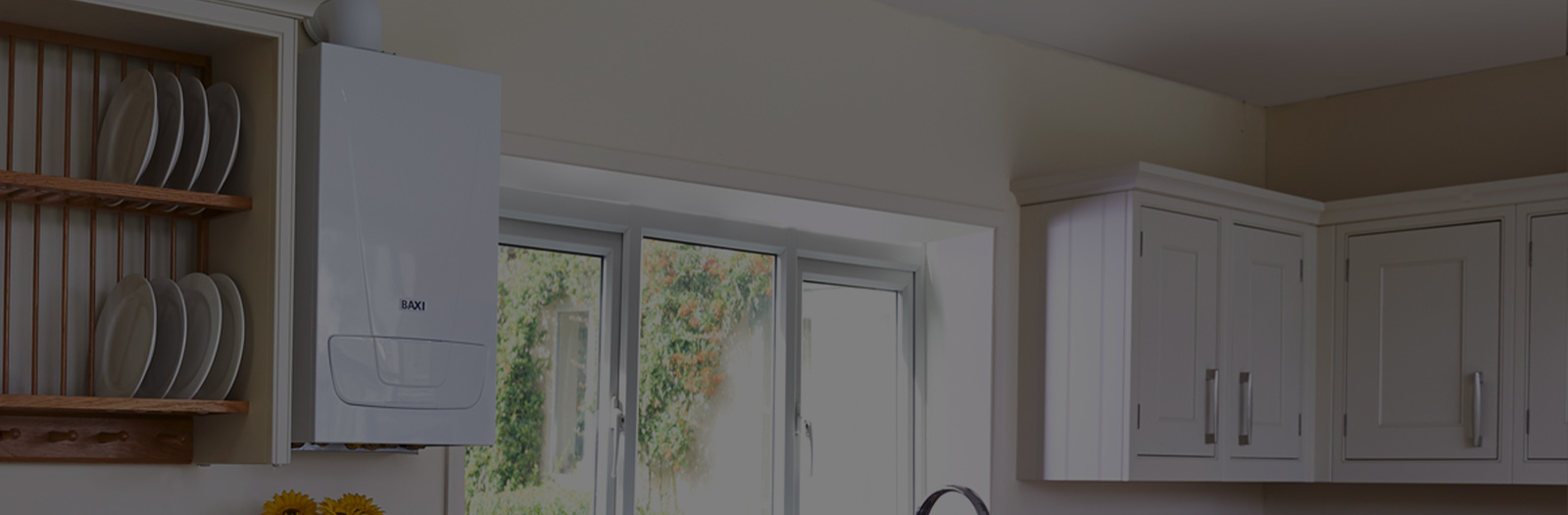
If your boiler has started making whistling, banging, or rumbling noises similar to an old kettle, it’s a clear sign that something isn’t working properly. This problem is often called “kettling,” which happens when restricted water flow causes the boiler to overheat and create steam bubbles. Ignoring these noises can lead to serious breakdowns and costly repairs. Spotting the issue early means you can get it fixed quickly, keeping your heating system safe and efficient all year round.
What boiler kettling actually is
In simple terms, kettling happens when water cannot flow smoothly through your boiler, usually around the heat exchanger where the water is heated. When the flow is restricted, parts of the boiler get too hot and small steam bubbles form in the water.
As those steam bubbles build and then collapse, you hear whistling, banging or rumbling noises. It is very similar to what happens in a kettle as it boils, which is where the name “kettling” comes from.
On its own, the noise is not usually an emergency, but it is a clear warning that something inside the system needs attention. Ignoring it can put extra strain on your boiler, shorten its life and raise your energy bills.
Common causes of a whistling or rumbling boiler
Several issues can lead to the restricted water flow and overheating that cause kettling. In many homes around Romford, Hornchurch and Dagenham, hard water and older pipework are major factors.
Limescale build-up: In hard-water areas, chalky deposits form inside the boiler, especially on the heat exchanger, narrowing water passages.
Sludge and magnetite: Rust, dirt and black “magnetic” sludge can collect in radiators and pipes, slowing circulation.
Partially closed or stuck valves: If a valve is not fully open, water flow through parts of the system can be restricted.
Pump issues: A failing or incorrectly set pump may not move water around the system fast enough.
Scaled or blocked heat exchanger: Heavy scaling or debris inside the heat exchanger can create hot spots and steam bubbles.
Sometimes more than one of these problems is present, especially in older systems that have not been cleaned or maintained regularly.
How hard water leads to limescale
Hard water contains higher levels of calcium and magnesium. When it is heated inside your boiler, those minerals come out of the water and stick to metal surfaces as limescale.
Over time, this layer of scale gets thicker, making it harder for heat to pass into the water. The metal gets very hot, water flow is restricted, and kettling noises begin. Romford, Hornchurch and Dagenham all have areas with relatively hard water, so limescale is a frequent culprit.
Sludge, magnetite and circulation problems
Inside your heating system, metal parts slowly corrode, and tiny fragments of rust mix with dirt to form sludge. This often settles in radiators and low points in the pipework.
As sludge builds up, radiators heat unevenly and circulation slows. Your boiler then has to work harder to push water around, creating hot areas and increasing the chance of kettling noises.
What you can safely check yourself
While the actual repair work should be left to a qualified engineer, there are a few sensible checks you can carry out yourself. These will also give useful information to the engineer when you book a visit.
Check your boiler pressure
Most domestic boilers work best when the system pressure (shown on the gauge at the front of the boiler) is usually around 1 to 1.5 bar when cold. Your boiler’s manual will show the recommended range.
If the pressure is far too low or too high, it can affect flow and cause strange noises. Do not guess how to adjust it if you are unsure; note the reading and mention it when you call a professional.
Pay attention to when the noise happens
Listen for patterns. Does the whistling or rumbling start as soon as the heating comes on, or only after it has been running for a while? Is it louder when the hot water is used, or when the radiators are heating?
Make a note of what you were using at the time and how long the boiler had been on. This information can help your heating engineer track down the cause more quickly.
Check how evenly your radiators heat
When the heating is on, carefully feel your radiators from top to bottom. If they are hot at the top but cold at the bottom, or some radiators stay much cooler than others, it may point to sludge or circulation issues.
Bleeding radiators to remove trapped air is usually safe for homeowners who know how to do it, but if the problems keep returning, it is a sign that the system needs professional cleaning or balancing.
Book a professional inspection
If kettling noises are regular or getting worse, the most important step is to arrange a visit from a Gas Safe registered engineer or qualified heating plumber. Do not wait until the boiler stops working completely.
Early diagnosis often means simpler repairs, less disruption and a lower risk of damage to expensive parts like the heat exchanger.
What you should avoid doing with a kettling boiler
Although it can be tempting to investigate further when your boiler is making strange noises, there are clear lines you should not cross for safety and warranty reasons.
Do not ignore persistent noises: Hoping the sound will go away usually results in problems building up until something fails.
Do not open the boiler casing: Only a qualified engineer is legally allowed to remove the cover on a gas boiler.
Do not keep resetting the boiler: Constantly resetting can mask an underlying fault that needs expert attention.
If you ever smell gas, see scorch marks or the boiler keeps cutting out, switch it off and contact an emergency engineer immediately.
How cleaning and servicing help prevent kettling
Good maintenance is one of the best ways to avoid kettling, especially in older systems and hard-water areas. Two key concepts are system cleansing and regular servicing.
System cleansing and power flushing
System cleansing involves removing sludge, rust and debris from your radiators and pipework so water can circulate freely again. In more severe cases, a power flush may be recommended.
Power flushing uses specialised equipment and chemicals to push a cleaning solution through the system at controlled pressure. This can break up stubborn sludge and help restore the efficiency of your heating, cutting down on noise and cold spots.
Using inhibitor to protect the system
Once the system is clean, engineers usually add a corrosion inhibitor to the water. This chemical helps slow down rust and sludge forming again, keeping the water clearer and your boiler happier for longer.
In hard-water areas, your engineer might also discuss extra limescale protection, such as scale reducers on the incoming cold feed to the boiler.
Regular boiler servicing
An annual service gives a qualified engineer the chance to check for early signs of kettling, such as minor limescale, pump issues or circulation problems. They can clean key components, test safety devices and make sure everything is running efficiently.
For homeowners in Romford, Hornchurch and Dagenham, pairing yearly servicing with occasional system cleansing is a cost-effective way to reduce breakdowns and keep noise to a minimum.
FAQs about boiler kettling noises
Is kettling dangerous?
Kettling itself is usually not immediately dangerous, as modern boilers have safety controls that shut the boiler down if it overheats. However, it is a sign that the boiler is under stress.
If you ignore kettling, the extra strain can damage components and, in rare cases, lead to overheating faults. Treat it as a priority to be checked, even if the boiler is still working.
Can I keep using my boiler if it is kettling?
If the noise is occasional and the boiler seems to be running normally, you can usually continue using it for essential heating and hot water while you wait for an engineer, as long as you feel safe to do so.
If the noise is very loud, the boiler keeps switching off, or you notice any burning smells, turn it off and seek professional advice before using it again.
Will a kettling boiler always need replacing?
Not necessarily. In many cases, kettling can be solved by cleaning the system, adjusting settings, replacing a pump or treating limescale. These are repairs rather than full replacements.
A good engineer will assess the overall condition and age of your boiler and discuss whether repair or replacement makes more sense for your home and budget.
Need help with boiler kettling in Romford, Hornchurch or Dagenham?
If your boiler is whistling, banging or rumbling, getting it checked sooner rather than later is the safest and most cost-effective option. Professional diagnosis can protect your boiler, improve efficiency and keep your home comfortable.
For expert boiler repairs, servicing and help with circulation or radiator issues in Romford, Hornchurch and Dagenham, contact RDS Plumbing Ltd on 08000282031. Whether you need a noisy boiler inspected, a system clean or general plumbing support, an experienced engineer can get your heating running smoothly again.