When your boiler keeps turning off, it can be frustrating and stressful, especially during cold weather when you need warmth the most. The good news is that many of these shutdowns are your boiler’s way of protecting itself from damage. Often, simple issues cause it to switch off as a safety measure. Before calling a professional, there are a few easy and safe checks you can carry out at home to help identify the problem. This can save time and help your engineer fix the issue faster when they arrive.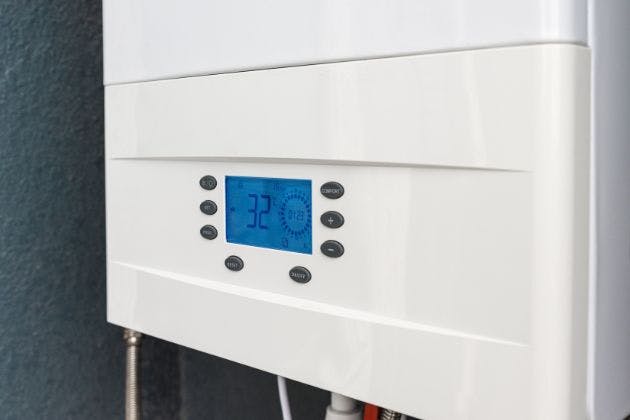
Quick symptom checklist
Before touching anything, pay attention to what is actually happening. The pattern of the problem is often the biggest clue for your engineer.
Think about these common situations and note which sound familiar:
Hot water only: Boiler cuts out when you run a bath or shower, but heating may seem fine
When heating starts: Boiler fires, radiators begin to warm, then it shuts down after a few minutes
Intermittent: Works sometimes, then shows a fault code or resets itself without warning
Overnight, Heating is off, you wake up to no hot water and a flashing fault light
Short cycling: Boiler comes on for a short burst, turns off, then comes back on again repeatedly
Make a note of any error codes on the display, and whether the boiler actually locks out (needs a reset) or simply stops firing and then restarts by itself.
Common causes of a boiler turning off
Modern boilers are designed to shut themselves down if something is not right. This protects your home and the appliance, but it does mean small issues can quickly become very noticeable.
Low system pressure
Your boiler relies on the correct water pressure to circulate heat through the system. If pressure is too low, many boilers will lock out to prevent damage.
You may see the pressure gauge sitting below 1 bar when the system is cold, or an error code relating to low pressure. Leaks, recent radiator bleeding or a failing expansion vessel can all cause pressure drops.
Trapped air in the system
Air pockets can stop water flowing correctly, especially to certain radiators or parts of the boiler. This can cause uneven heating, noise and occasional overheating shutdowns.
Air often builds up after work on the system or if there is a small ongoing leak. Bleeding radiators can help, but if the problem keeps returning an engineer should investigate.
Frozen or blocked condensate pipe
Condensing boilers produce condensate that is carried away through a plastic pipe. In cold weather, this pipe can freeze, and any blockage here can cause the boiler to cut out with a specific fault code.
Outdoor sections of pipe, especially in exposed areas, are most at risk. Gurgling noises and water backing up into the boiler are common signs.
Thermostat or control faults
If your room thermostat, wireless receiver or timer controls are not communicating properly, the boiler may be told to stop firing even though you still need heat.
Flat batteries, incorrect settings, or a failed control unit can all lead to boilers turning on and off unexpectedly.
Pump issues and circulation problems
The pump moves hot water around your heating system. If it fails or sticks, water does not circulate, and the boiler can quickly overheat and shut down.
You might notice banging or humming noises, radiators staying cold, or the boiler reaching temperature very quickly then switching off.
Ignition or flame sensing problems
Gas boilers constantly check that the flame is present and stable. If the boiler cannot light reliably, or the flame sensor does not detect a proper flame, it will lock out.
This can be due to dirty sensors, gas supply issues, or internal faults that must be dealt with by a Gas Safe engineer.
Overheating and limescale build up
If water inside the boiler overheats, built-in safety devices shut it down. Sludge, limescale and poor circulation all increase the risk of overheating.
Areas with harder water, such as parts of East London and Essex, are more prone to limescale build up in plate heat exchangers, which can lead to repeated overheating lockouts over time.
Flue or air intake problems
Your boiler needs a clear path to bring in fresh air and remove combustion gases. If the flue is blocked or the air intake is restricted, the boiler will usually shut down for safety.
Any work on the flue, or if you suspect damage or blockage, must be dealt with by a qualified Gas Safe engineer only.
Safe homeowner checks you can do
There are a few simple checks most homeowners can perform without tools. If at any point you feel unsure, stop and contact a professional.
Check the pressure gauge
Look at the pressure gauge on the boiler front. When the system is cold, it is usually healthy somewhere around 1.0 to 1.5 bar, though each manufacturer may vary slightly.
If the pressure is very low (near 0) or climbs too high, make a note of the reading and do not keep resetting the boiler repeatedly. Your engineer will need this information.
Check other gas appliances
If you have a gas hob or gas fire, and it is safe to do so, see if these are working normally. If they are also struggling or not lighting, there may be a supply issue.
If you suspect any gas supply problem at all, switch everything off, ventilate the area and contact your gas supplier or a Gas Safe engineer immediately.
Look at the condensate pipe (without dismantling)
Trace the white or grey plastic condensate pipe where it leaves the bottom of your boiler and goes outside. In freezing weather, check the external part of the pipe for obvious ice or bulging.
You can safely pour warm (not boiling) water over the outside of the pipe to help thaw ice, but do not cut, disconnect or open the pipe. If it refreezes or you are unsure, call an engineer.
Try a single reset
Most boilers have a reset button or setting. If you have identified and safely addressed a simple issue, you can try one reset following the user manual instructions.
If the boiler immediately locks out again, or the same fault code returns, stop trying to reset it. Repeated resets can mask an ongoing fault.
Check thermostat batteries and settings
For wireless thermostats, replace the batteries if they are low, and confirm the temperature is set above the current room temperature. Also check that any timers or schedules are correct.
Make sure the heating is actually “on” and that no holiday or frost protection modes are affecting normal operation.
When to stop and call a Gas Safe engineer
There comes a point where further DIY checks are not safe or productive. Stop and call a Gas Safe engineer immediately if you notice any of the following:
Smell of gas, scorching, or any signs of burning around the boiler or flue
Repeated lockouts or the same error code reappearing after a reset
Visible water leaks from the boiler or pipework beneath it
Loud banging, clanking or whistling noises that are new or severe
Any concern about the flue, air intake or ventilation around the boiler
If you are in doubt, it is always safer to stop, turn the boiler off at the controls, and arrange a professional inspection. You can read more about professional repairs on our boiler repair service page.
What to tell the engineer
Giving clear information helps your engineer diagnose the problem more quickly, which can mean less disruption for you. Before they arrive, try to gather:
Boiler details: The make, model and approximate age of your boiler, usually found on the front panel or inside the user manual.
Error codes: Any fault codes or flashing lights, along with photos of the display if possible.
Pressure reading: The cold pressure reading from the gauge, plus whether it is stable or keeps dropping or rising.
Pattern of the problem: When the boiler shuts down (only on hot water, only with heating on, overnight, during bad weather, etc.). Make a note if you are in a hard water area or have had limescale issues before, as this may point towards overheating causes.
Sharing this information when you book or having it ready when the engineer arrives makes the whole visit smoother and more effective. For more on qualified support, you can also see our Gas Safe engineer information.
Next steps
A boiler that keeps turning off is usually a sign that something needs attention, but staying calm and following a few safe checks can make the situation much easier to handle. Do not ignore repeated lockouts or strange noises, and never remove boiler covers yourself.
If your boiler is frequently shutting down, or you are worried about gas, water leaks or overheating, contact RDS Plumbing Ltd on 08000282031 for professional help. A qualified engineer can diagnose the fault properly, carry out safe repairs and get your heating and hot water running reliably again.