If your boiler suddenly cuts out during a cold spell, a frozen condensate pipe is often the culprit. This pipe carries away wastewater from your boiler, and when it freezes, it can block the flow and cause your boiler to shut down as a safety measure. Knowing the signs to spot a frozen condensate pipe and how to respond safely can help you get your heating back on quickly while protecting your boiler from damage.
Acting promptly with the right steps can save you from costly repairs and keep your home warm during cold weather.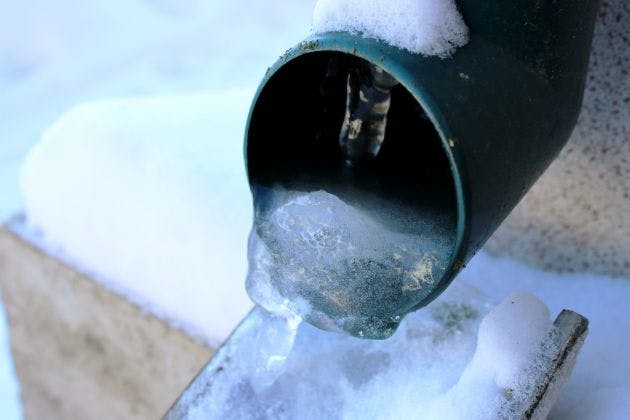
What a condensate pipe does and how it freezes
Modern condensing boilers produce a small amount of acidic water called condensate as they run. This liquid is usually carried away from the boiler through a plastic pipe that runs to a drain, often outside.
In very cold weather, the section of this pipe that is outside or in an unheated space can freeze. The ice forms a blockage, so the boiler cannot drain safely and shuts itself down to prevent damage.
If your boiler has worked fine until temperatures dropped, and now it has stopped or is showing a fault, a frozen condensate pipe is worth checking.
Common signs of a frozen condensate pipe
A frozen or blocked condensate pipe usually shows a few clear symptoms. You may notice them all at once, or just one or two, depending on how severe the blockage is.
Boiler display shows a generic ignition, flame failure or lockout code
Boiler repeatedly trying to start but failing to fire properly
Gurgling or sloshing noises from the boiler or nearby pipework
Heating and hot water are cutting out during or just after a cold snap
Visible plastic pipe outside with ice around the end or along its length
The condensate pipe is usually a small (often 21.5 mm) plastic pipe running from the bottom of your boiler to a drain, waste pipe, or soakaway. The external section is where freezing most often occurs.
Safe steps to check and gently thaw a frozen pipe
Before you do anything, check your boiler manual for guidance on frozen condensate pipes and safety instructions. If you feel unsure at any point, stop and contact a Gas Safe registered engineer.
1. Locate and inspect the external section
Look for the plastic condensate pipe outside your property, or where it passes through an unheated garage or loft. You are only checking the visible, accessible section of the pipework.
Check for obvious signs of freezing, such as ice on the outside of the pipe or a solid, icy feel when you gently touch it. Do not remove any panels from the boiler itself or access hidden pipework.
2. Use warm water and a hot water bottle
To thaw a frozen section safely, fill a jug or watering can with warm tap water. It should feel pleasantly warm, not boiling. Pour it slowly along the length of the blocked section of pipe.
You can also hold a hot water bottle or a heat pack in a towel against the frozen part of the condensate pipe. Move it along the pipe every few minutes to spread the warmth. Allow time for the ice to melt; do not rush.
3. Reset your boiler once after thawing
Once you think the pipe has thawed, check your boiler controls and follow the manufacturer’s instructions to reset it. Often, this is a simple button press or dial movement.
Wait and see if the boiler fires up and runs normally. If it works, leave the heating on a low, steady setting to help prevent the pipe from freezing again while the cold weather continues.
Things you should never do
It is important to avoid actions that could damage your boiler, pipework, or put your safety at risk. Sticking to manufacturer-safe guidance will also help protect your warranty.
Do not remove the boiler casing or any covers that require a tool. Inside the boiler is classed as a gas appliance, and only a Gas Safe registered engineer is legally allowed to work on it.
Never use open flames such as blowtorches, lighters, or candles to thaw the pipe. These are serious fire hazards and can damage plastic pipework and nearby materials.
Avoid using boiling water directly on the condensate pipe. Very hot water can soften or crack the plastic, and sudden temperature changes increase the risk of damage.
Do not repeatedly reset the boiler if it keeps locking out. Constant resets can mask an ongoing fault and may put strain on the appliance. If one careful reset after thawing does not resolve the problem, call a professional.
Helping prevent your condensate pipe from freezing again
Once your boiler is running again, it is worth thinking about prevention so you are less likely to face the same issue in the next cold snap. Some measures you can do yourself, and others are best discussed with an engineer.
Insulating the external section of the condensate pipe with suitable weatherproof lagging can help reduce the chance of freezing. Make sure the insulation is secure and covers the full exposed length, particularly bends and joints.
Keeping your heating on a low, background setting during very cold weather can also help. Rather than switching the system fully off, let it cycle gently to keep the pipework slightly warmer.
If your condensate pipe is particularly long outside, or runs into an exposed area where it often freezes, a Gas Safe engineer may suggest rerouting it internally or increasing its diameter in line with the boiler manufacturer’s guidance.
For ongoing reliability, consider regular professional servicing and timely boiler repair if you notice recurring issues. A service can pick up installation problems that make freezing more likely.
Frequently asked questions about frozen condensate pipes
How long does it take to thaw a frozen condensate pipe?
Using warm water and a hot water bottle, many minor blockages clear within 10 to 30 minutes. In very low temperatures or with heavy icing, it can take longer. If the pipe does not clear or you are not confident it has thawed, contact a professional.
Can I wrap the pipe with an electric heater or hairdryer?
Using mains-powered equipment outside, especially in wet or icy conditions, can be unsafe. Hairdryers and similar devices also risk overheating the pipe. It is safer to stick to warm water, hot water bottles, and professional advice if needed.
My boiler still will not start after thawing. What next?
If you have safely thawed the pipe and tried a single reset, but the boiler still shows a fault or will not fire, there may be another issue. At this point, you should stop trying to reset and book a Gas Safe registered engineer to investigate.
Does a frozen condensate pipe mean my boiler is faulty?
Not necessarily. Many boilers work perfectly well but have condensate pipes that are more prone to freezing because of how or where they were installed. Insulation and minor routing changes can often reduce the risk significantly.
Need expert help with a frozen boiler condensate pipe?
If your boiler continues to lock out, shows recurring ignition faults, or you are unsure whether the condensate pipe is the problem, it is safest to call in a Gas Safe professional. They can check the system properly, fix any faults, and advise on longer-term prevention.
RDS Plumbing Ltd provides experienced, Gas Safe registered engineers to deal with frozen condensate issues, gas safe engineer checks, and all types of boiler repair. For friendly advice or to book a visit, call RDS Plumbing Ltd on 08000282031.