If your boiler pressure keeps dropping, it’s more than just an annoyance—it can affect your heating and hot water performance and potentially cause damage to your system. Most domestic boilers should maintain a pressure of around 1 to 1.5 bar when cold (always check your manufacturer’s manual for your exact model). If the pressure regularly falls below this range, your boiler may struggle to operate efficiently, leading to cold radiators, boiler lockouts, or even costly repairs. Keeping an eye on your boiler pressure and addressing drops early can save you time, hassle, and money.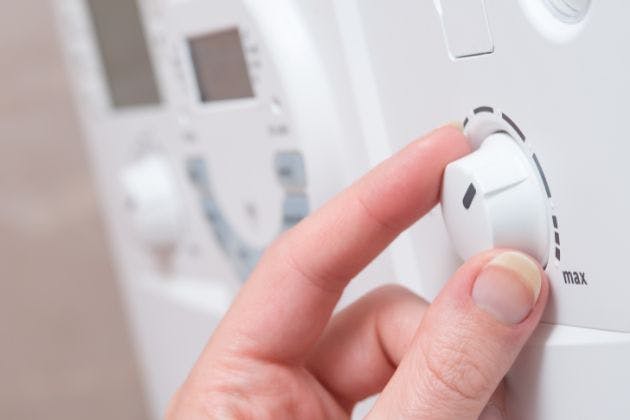
Normal boiler pressure and what repeated drops tell you
Your boiler will usually have a pressure gauge on the front. When the system is cold, around 1 to 1.5 bar is typical, rising slightly when the heating is on. The exact “normal” range depends on your boiler model and system design.
If the pressure falls close to zero, your boiler may lock out for safety. Topping up occasionally is expected, especially after bleeding radiators, but having to top up every few days or weeks points to an underlying issue that needs attention.
Common reasons boiler pressure keeps dropping
In many homes, especially with older Hornchurch, Romford or Dagenham pipework, there is not a single dramatic fault but a slow loss of water from somewhere in the system. The causes below are the ones engineers see most often.
Small weeps on radiator valves or copper joints
The faulty pressure relief valve is discharging water
Expansion vessel problems or loss of air charge
Recently bled radiators without a proper top-up
Filling loop left slightly open or incorrectly closed
Hidden leaks under floors, behind walls or in ceilings
Internal boiler component faults, such as heat exchangers
Small leaks at radiators and pipe joints
Even a tiny drip at a radiator valve can cause the pressure to fall over time. You might notice a green or white crust on old copper joints, water staining on skirting boards, or a slightly damp patch under a radiator.
These leaks can be especially subtle in older properties where pipework runs behind boxing. In some Hornchurch and Romford homes, joints hidden under laminate floors only show up as slight swelling of the boards.
Pressure relief valve discharging water
The pressure relief valve (PRV) is a safety device that opens if the pressure gets too high. If it is damaged or fouled by debris, it can start to “pass” even at normal pressures, slowly dumping water outside.
You can usually spot this by checking the copper discharge pipe outside. If it is wet when the boiler has been running, or there is a tell-tale white streak on the wall, the PRV may need replacing by an engineer.
Expansion vessel and repeated pressure loss
Modern boilers use an expansion vessel to absorb the expansion of water when heated. If the internal air charge is lost, the system pressure can swing wildly: high when hot, then dropping too low as it cools.
This often shows as constant topping up along with banging pipes or gurgling. Recharging or replacing an expansion vessel should only be done by a trained professional, as it involves depressurising and reconfiguring the system.
Recently bled radiators or filling loop issues
If you have bled radiators to remove air, you have let water out of the system too. If the pressure was not topped up properly afterwards, the gauge can sit low and may continue to drop as remaining air pockets move around.
The filling loop, usually a silver braided hose with two small taps, is used to add water. If not closed correctly, it can either keep feeding water in (leading to pressure going too high) or be left in a position where it allows slow loss through a weak connection.
Hidden leaks and internal boiler faults
Sometimes there are no obvious drips, but the pressure still falls. Pipework can run under floors and through voids, so leaks can show up only as a musty smell, a slightly warped floor or a discoloured ceiling below.
Internal boiler faults, such as a cracked heat exchanger or leaking seals, can also cause pressure loss. These are rarely visible without removing the front cover, which is a job for a Gas Safe registered engineer only.
Safe checks you can do without tools
There are a few simple, safe checks most homeowners can carry out before booking a repair, and they can often help your engineer diagnose the problem faster.
Basic visual checks
Start by checking the pressure gauge with the system cold, and again when the heating has been on for at least 20 minutes. Note the readings and how quickly they change.
Walk around the house and look for:
Visible drips from radiator valves or pipe joints
Rust marks, green deposits or white crust around fittings
Damp patches on walls, ceilings or flooring near pipes
Water coming from the outside copper discharge pipe
Simple checks on controls and filling loop
Make sure the heating programmer and room thermostat are operating normally so the boiler is not cycling on and off too often. Repeated short cycles can highlight pressure problems more quickly.
You can also visually confirm that the filling loop taps are fully closed and the hose is not leaking. Do not leave the filling loop permanently connected if your manufacturer advises against it.
Danger signs: when to stop and call an engineer
Certain warning signs mean you should stop any further checks and contact a professional straight away:
Shut the boiler off and seek help immediately if you notice:
Any smell of gas anywhere near the boiler, meter or pipework; signs of burning, scorch marks or melted plastic; or tripping electrics when the boiler runs. These point to gas or electrical issues that are unsafe for DIY investigation.
If the pressure repeatedly drops back down within hours or a day of topping up, that is also a clear signal that a proper repair is needed rather than more refilling.
Mini troubleshooting flowchart for dropping boiler pressure
You can use this simple step-by-step logic to narrow down what might be going on before calling your engineer.
If pressure drops overnight even when heating is off → Check the gauge when cold, look for slow leaks at radiators and pipes, and inspect ceilings and floors below pipe runs for damp or staining.
If pressure only drops when the heating is on → Note how high the pressure goes when hot, look at the outside discharge pipe for water, and listen for banging or gurgling that may point to expansion vessel issues.
If pressure started dropping after you bled radiators → With the system cold, carefully top up to the recommended level following the manual, then monitor over a few days. If it keeps falling, there is likely a leak or system fault that needs attention.
If topping up only lasts a day or two, → Stop topping up and arrange a boiler repair visit. Constantly adding fresh water increases corrosion inside the system and can shorten the life of your boiler.
Frequently asked questions about boiler pressure loss
Is it safe to keep topping up my boiler pressure?
Occasional top-ups are normal, but doing it frequently is not ideal. Fresh water brings oxygen into the system, which increases corrosion and sludge. If you are topping up more than every few months, it is time to book a professional inspection.
Can low boiler pressure cause damage?
Running with very low pressure can cause the boiler to overheat and shut down. Components like pumps and heat exchangers can suffer if the system keeps running on the edge of the safe range, so it is best to address the cause early.
Do I have to replace my boiler if the pressure keeps dropping?
Not usually. Many pressure issues are down to leaks on pipework, faulty valves or expansion vessels, which can be repaired or replaced. A Gas Safe engineer can advise you whether repair or replacement is the most cost-effective option for your system.
Could a pressure drop be linked to underfloor or hidden leaks?
Yes, particularly in older properties where pipes run under concrete floors or behind walls. Signs include warm patches on floors, unexplained damp or mould, or a constant need to top up pressure with no visible leaks.
Next steps: get a proper boiler repair booked
If your boiler pressure keeps dropping, the safest and most cost-effective option is to have it professionally checked rather than rely on repeated top-ups. A Gas Safe registered engineer can test the expansion vessel, inspect the PRV, check for hidden leaks and assess internal components safely.
For fast, local help with boiler pressure problems and breakdowns, visit the RDS Plumbing Ltd boiler repair service page and arrange a visit, or call RDS Plumbing Ltd on 08000282031 or fill out our contact form to speak to a Gas Safe engineer and book your repair.