Your boiler flue plays a key role in keeping your home safe. It carries combustion gases away from the appliance and releases them outside, so any damage, obstruction or poor installation can create a serious risk, including carbon monoxide exposure.
Homeowners and landlords can carry out simple visual checks without touching or dismantling the flue. If anything looks unusual, stop using the boiler and arrange an inspection from a qualified Gas Safe engineer.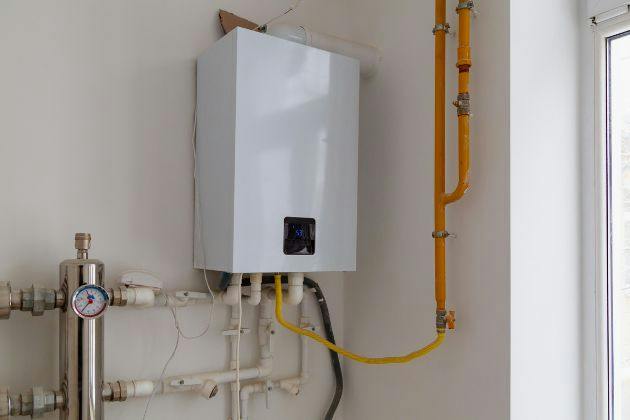
What a boiler flue does
A boiler flue is the pipe connected to your boiler that removes waste gases created when gas burns. It normally passes through an external wall or roof and ends in a terminal, which allows the gases to disperse safely outside.
The flue must remain intact, correctly supported and free from blockages. Its route also needs to meet safety requirements, particularly around windows, doors, vents and neighbouring properties. A problem may not always be obvious from inside the home, so checking the visible terminal is useful.
Simple checks you can make
Only inspect from a safe position at ground level or from a window. Never climb onto a roof, remove a cover or handle the flue. Look for changes around the terminal and listen for unusual boiler behaviour.
Black or brown staining, soot marks or discolouration around the terminal
A loose, tilted or poorly supported terminal
Cracked or damaged seals around the wall or roof penetration
Leaves, nests, plant growth or other debris blocking the outlet
Unusual smells, condensation or repeated boiler lockouts
Warning signs that need attention
Staining or sooting around the flue terminal can indicate that combustion gases are not being discharged correctly. It may also point to an issue with the boiler’s combustion or the flue’s condition, so it should never be cleaned away and ignored.
The terminal should sit securely and appear level and properly aligned. A loose or tilted terminal, gaps in the surrounding seal or visible cracking can allow gases to escape into the property or damage the building fabric. Do not attempt to push it back into place.
Check for leaves, nests, moss or climbing plants growing around the outside terminal. Obstructions can restrict the movement of combustion gases and may cause the boiler to shut down. Condensation running from an unexpected point, damp patches or frost damage around the outlet should also be assessed by an engineer.
Unusual smells near the boiler or flue should be taken seriously, although carbon monoxide itself has no smell. A boiler that repeatedly locks out, displays fault codes or needs frequent restarting may be responding to an unsafe condition, so do not keep resetting it without finding the cause.
Carbon monoxide awareness
Carbon monoxide is a poisonous gas produced when fuels do not burn properly. It cannot be seen, tasted or smelled, which is why a working carbon monoxide alarm is an essential extra safeguard in any room containing a gas appliance.
Symptoms can include headache, dizziness, nausea, tiredness, breathlessness, confusion and collapse. They may improve when you leave the property and worsen when you return. If several people or pets appear affected at the same time, treat this as an urgent warning.
If a carbon monoxide alarm sounds, leave the property immediately with everyone else and move to fresh air. Do not re-enter until you have been advised it is safe, and call 999 or the Gas Emergency Service on 0800 111 999. Do not assume the alarm is faulty simply because you cannot see a problem.
What not to do with a flue
Never tape, seal, patch or cover a damaged flue yourself. Household tape, sealant and makeshift repairs are not suitable for gas appliances and could hide a dangerous leak.
Do not adjust, shorten, loosen or dismantle the terminal, and do not remove debris by reaching inside it. If you suspect a problem, switch off the appliance if it is safe to do so and avoid using it until a Gas Safe engineer has checked it.
When to call a Gas Safe engineer
Arrange professional advice if you notice staining, a damaged seal, an unstable terminal, an obstruction, unexplained condensation or repeated boiler lockouts. You should also call an engineer if the boiler has been affected by building work or if you are unsure whether the flue has been installed correctly.
An engineer will check the flue’s integrity, supports, joints, seals and terminal position. They can carry out combustion readings, inspect ventilation and assess whether the boiler is operating safely. This is particularly useful in older properties where flues may have been altered over time.
Flats and terraced homes can have awkward flue routes, shared walls and terminals close to neighbouring windows or communal areas. External work may require permission from a management company, freeholder or landlord, so check the relevant arrangements before any repair or alteration is planned.
Keep boiler safety on your routine
Visual checks are helpful, but they cannot replace professional servicing or testing. Keep vents and the area around the boiler clear, test your carbon monoxide alarms regularly and arrange annual checks where recommended.
For expert advice or a flue inspection, contact RDS PLUMBING LTD on 08000282031, or visit the Gas Safe Engineer page. Landlords can also arrange annual compliance checks through the Landlord Gas Safety Certificate service. Acting early can help protect your property, tenants and family from preventable gas safety risks.