

RDS Plumbing Ltd is Gas Safe registered and offers boiler repairs and servicing across Hornchurch and the surrounding area. If your pressure keeps dropping, or you’d like your boiler checked, get in touch or read more about our boiler repair service.
Blog
Boiler Pressure Problems: What Causes Them and How to Fix It
RDS Plumbing Ltd
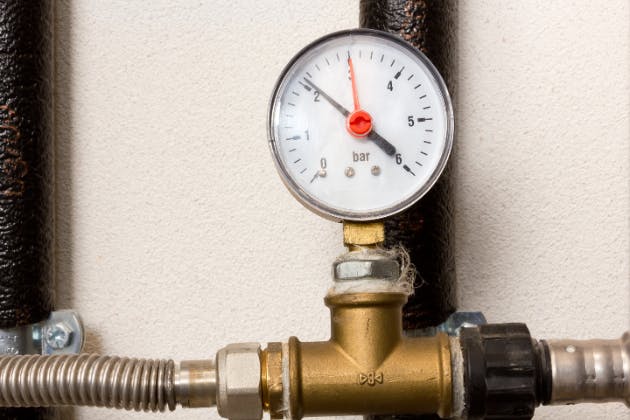
Boiler pressure plays a vital role in keeping your heating system running smoothly. Low pressure can cause poor heating performance, and if left unchecked, may lead to system damage or breakdown. In this blog, we’ll explain what boiler pressure is, what causes it to drop, and what you can do about it, plus when it’s time to call in the experts.
What to Do When Your Boiler Pressure is Low
Your boiler’s pressure helps circulate hot water through your radiators and pipes. Ideally, the pressure should sit between 1 and 1.5 bar when cold. You can check this on the pressure gauge, usually found on the front or underside of your boiler. If the reading is below 1, your system may struggle to heat your home efficiently.
Boiler pressure is the pressure of the water inside your sealed heating system, measured in bar. Water expands as it heats up, so it’s normal for the gauge to rise a little while the heating is on and settle back down as it cools. That’s why it’s best to check the reading when the system is cold.
Signs Your Boiler is Losing Pressure
The gauge reads below 1 bar when the system is cold.
Your radiators aren’t getting as warm as usual, or the heating won’t come on.
The boiler shows a low pressure fault code, or keeps cutting out and needing a reset. Our guide on how to reset a boiler explains how to do this safely.
You can see water around the boiler, a radiator or a pipe joint.
Low pressure won’t fix itself. Left alone, the boiler will keep shutting down, and a hidden leak can damage your floors, ceilings and the boiler itself.
Common Causes of Low Boiler Pressure
1. Leaks in the System
Leaks are one of the most frequent causes of pressure loss. They can be on the pipework, on a radiator or its valves, or inside the boiler itself. Check exposed pipework, radiators, radiator valves and joints for damp patches, drips or corrosion. While leak sealant might help temporarily, it's not a long-term fix. Call a professional to carry out proper repairs. If the leak is inside the boiler, leave the cover on: only a Gas Safe registered engineer should work inside it.
2. Faulty Pressure Relief Valve
The pressure relief valve helps prevent your boiler from overpressurising. If it’s damaged or worn, it may discharge water unnecessarily, causing a pressure drop. Look for dripping water around the valve or signs of corrosion. Also check the small copper pipe that runs from the boiler through the outside wall. If it drips or leaves a damp patch below it, especially after the heating has been on, the valve may be letting water out. Faulty valves should always be replaced by a professional.
3. Expansion Vessel Problems
The expansion vessel balances pressure inside the boiler. It gives the water room to expand as it heats up. Over time, its internal diaphragm or Schrader valve may fail. A common sign is pressure that climbs high when the heating is on, then drops below 1 bar once it cools. An engineer can often recharge the vessel with air, or replace it if the diaphragm has failed. This is a more complex issue and requires diagnosis and repair by a Gas Safe engineer. If your pressure mainly drops while the heating is running, our post on why boiler pressure drops mid-heat cycle goes into more detail.
4. Open Filling Loop
After topping up your boiler, ensure the filling loop (usually a braided hose with two valves) is fully closed. Leaving it even slightly open can cause ongoing pressure loss.
5. Air Released When Bleeding Radiators
Bleeding a radiator lets trapped air out, and that lowers the pressure a little. This is normal, so check the gauge after bleeding and top up if it has dropped below 1 bar. If you find yourself bleeding the same radiators again and again, air may be getting into the system somewhere, and it’s worth getting checked.
Repressurising Your Boiler: A Quick DIY Fix
If your pressure is slightly low, you may be able to repressurise your system. Follow these steps carefully:
Turn off the boiler and allow it to cool.
Locate the filling loop (silver hose with two valves).
Open both valves slowly and let water enter the system.
Watch the gauge and close the valves when pressure reaches 1.5 bar.
Bleed radiators to remove trapped air.
Recheck pressure and adjust if needed.
Avoid overfilling the system. Too much pressure can cause new issues.
When to Call a Professional
Some boiler pressure problems require expert help. Contact a qualified plumber or heating engineer if:
The pressure keeps dropping after multiple top-ups
You find leaks you can’t reach or repair
Water is coming from the boiler itself, or from the pipe on the outside wall
You suspect a faulty valve or expansion vessel
You’re unsure what’s causing the issue
Professional servicing helps catch these problems early and ensures your boiler stays in top condition.
Preventing Boiler Pressure Problems
You can reduce the risk of boiler pressure issues with a few simple steps:
Book annual servicing with a Gas Safe registered engineer
Check visible pipework for leaks or corrosion
Address minor issues before they escalate
Insulate pipes to prevent freezing in winter
Pay attention to strange noises or performance changes
Staying proactive helps avoid costly repairs and keeps your home comfortably heated all year round.
Other Articles